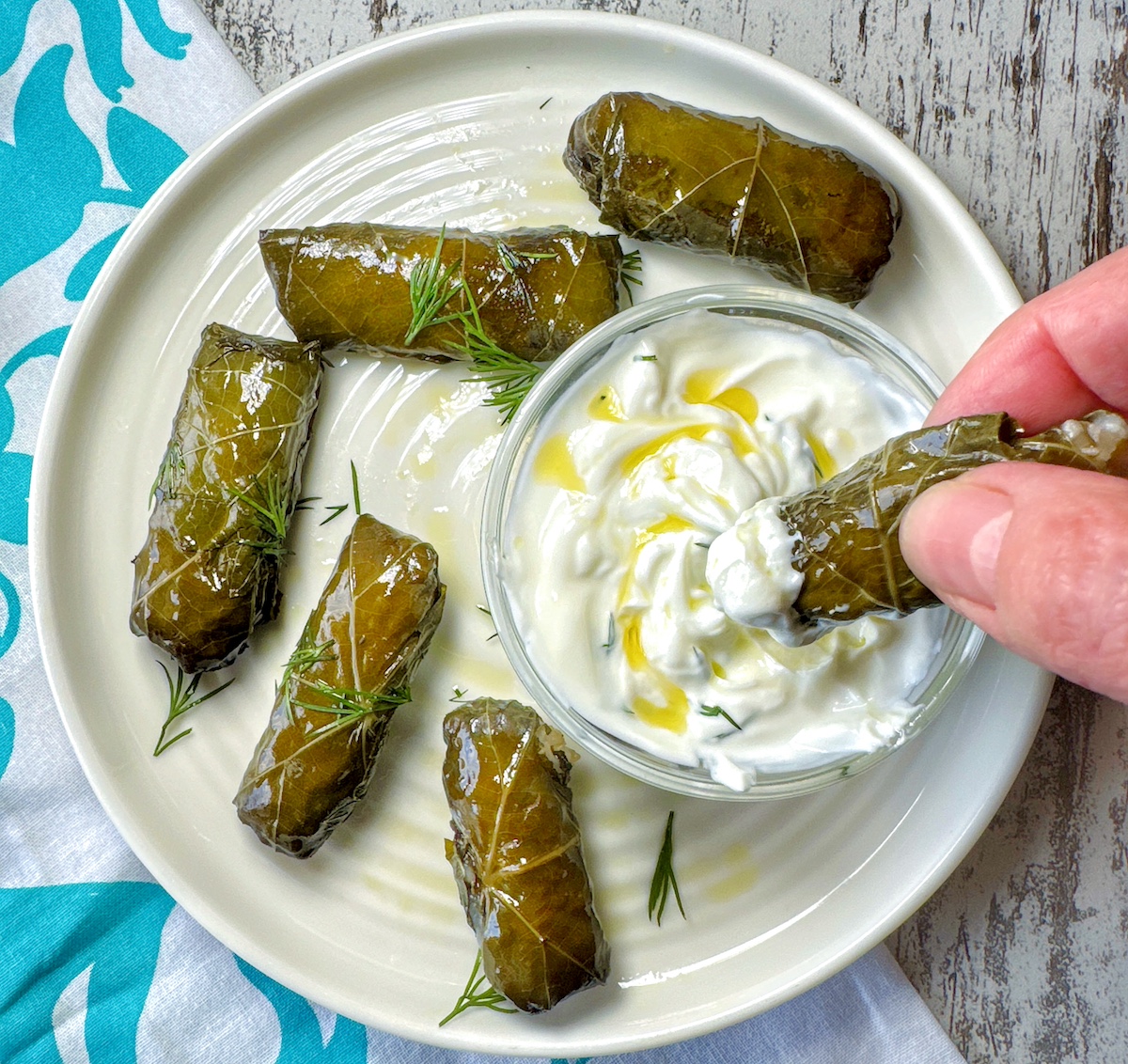
Authentic Dolmades: A Culinary Journey into Greek Tradition
Few dishes encapsulate the essence of Greek hospitality and culinary artistry quite like
dolmades. These iconic stuffed grape leaves, bursting with aromatic rice and fresh herbs, are more than just an appetizer; they are a symbol of shared meals, family gatherings, and the Mediterranean way of life. While many cultures boast their own versions of stuffed vegetables, the Greek rendition, particularly the vegetarian variety, holds a special place, celebrated for its vibrant flavors and delicate texture. If you've ever dreamt of recreating that authentic Greek taverna experience in your own home, mastering the art of dolmades is an incredibly rewarding endeavor.
The Allure of Dolmades: More Than Just an Appetizer
In Greek culture, the concept of "meze" (or "mezedes" for plural) is fundamental. These small, shareable plates are designed to accompany lively conversation and good company, often served with a glass of ouzo or wine. Dolmades are quintessential meze, perfectly delightful treats that can kick off a grand meal or even serve as the meal itself when paired with other delicious offerings like Greek meatballs (keftedes), savory cheese pies (tyropitakia), or an assortment of traditional dips and spreads. The meatless version, filled primarily with rice and a generous medley of herbs, is a testament to the richness that can be achieved with simple, plant-based ingredients. The bright, tangy notes of lemon often accompany these parcels, cutting through the richness and elevating the entire experience. Growing up in a Greek household, one quickly learns the value of such culinary treasures, often passed down through generations. These humble bundles of flavor evoke memories of kitchen tables bustling with activity, as skilled hands deftly wrapped each leaf with care, teaching younger generations the cherished traditions.
Crafting the Perfect Filling: The Soul of Your Dolmades
The magic of
dolmades truly begins with their filling. A symphony of textures and flavors, the rice and herb mixture is what transforms a simple grape leaf into a culinary masterpiece. Achieving the right balance and consistency is key to a truly authentic taste.
Selecting and Preparing Your Ingredients
For a truly exceptional filling, the quality of your ingredients matters. Start with a foundation of finely diced onion and perhaps a touch of fennel, which adds a subtle, aniselike sweetness that beautifully complements the other flavors. Fresh lemon zest is non-negotiable, providing a bright, aromatic lift. Pine nuts introduce a delicate crunch and nutty depth. The heart of the filling, of course, is the rice. A medium-grain rice is often preferred as it absorbs flavors wonderfully and achieves a satisfying, tender texture without becoming mushy. But what truly makes the Greek dolmades sing are the generous quantities of fresh herbs: copious amounts of dill and parsley are traditional, infusing the rice with their distinctive, refreshing aromas. These herbs are not mere garnishes; they are integral to the identity of the dish. Seasoning with salt and freshly ground black pepper is crucial for bringing all these elements into harmony.
The Aromatic Symphony: Cooking the Rice Mixture
The preparation of the filling involves a gentle par-cooking process to ensure the rice begins to absorb flavors and achieve an al dente texture before being fully cooked within the grape leaves. Begin by sautéing the aromatic vegetables – onion, fennel, and lemon zest – in a generous amount of olive oil until they are soft and fragrant, about 10 minutes. This slow rendering coaxes out their natural sweetness. Next, introduce the pine nuts and rice, stirring them for a couple of minutes to lightly toast the nuts and coat the rice grains in the flavorful oil. This step is vital for developing depth. A small amount of chicken or vegetable stock is then added, allowing the rice to simmer gently until the liquid is almost fully absorbed and the rice is just tender to the bite. It's important not to overcook the rice at this stage, as it will continue to cook later. Once par-cooked, transfer the mixture to a bowl and fold in the fresh dill and parsley, along with salt and pepper, allowing it to cool slightly. This cooling prevents the herbs from wilting excessively and helps the mixture firm up for easier handling during the rolling stage. For more in-depth techniques on developing rich, flavorful fillings, consider exploring
Crafting Perfect Dolmades: Rice and Herb Filled Grape Leaves.
The Art of Assembly: Rolling Dolmades Like a Pro
Once your filling is ready, the next step is the delicate art of wrapping. This is where the magic truly comes alive, transforming individual ingredients into uniform, delightful parcels. Don't be intimidated; with a little practice, you'll be rolling
dolmades like a seasoned pro!
Preparing Your Grape Leaves
Whether you're using fresh leaves from the vine or jarred brined ones, proper preparation is essential. Fresh grape leaves need to be blanched in simmering water for about 5 minutes until they become pliable and their vibrant green softens. This makes them much easier to work with and removes any bitterness. If using jarred leaves, a good rinse is often sufficient to remove excess brine. After blanching or rinsing, carefully drain the leaves, trim any tough stems, and gently pat them dry with paper towels. You want them supple but not excessively wet. Lay them shiny-side down on your work surface; the smoother, shinier side typically faces outwards in the final cooked dish for a more appealing presentation.
The Folding Technique: A Step-by-Step Guide
This is the moment to channel your inner artisan. Place about 2 tablespoons of the cooled rice filling near the stem end of the grape leaf (the wider part). The exact amount may vary slightly depending on the size of your leaves. The key is to not overfill, as the rice will expand during cooking.
Here's the traditional rolling method:
- Fold the Stem End: Take the bottom edge of the leaf (the stem end) and fold it up over the filling.
- Fold the Sides: Next, fold both side edges of the leaf inward towards the middle, neatly enclosing the filling.
- Roll Up: Starting from the bottom, firmly but gently roll the leaf upwards, creating a neat, cigar-like package. The roll should be snug enough to hold its shape, but not overly tight, allowing room for the rice to swell.
Once rolled, you can lightly squeeze the dolma in the palm of your hand to ensure it's secure. Repeat this process with the remaining grape leaves and filling. This can be a wonderful communal activity, just as it was in many Greek households where parents encouraged their children to participate, celebrating every effort, no matter how "clumsy" the first attempts might have been. For more detailed visual guidance and tips on achieving uniform rolls, be sure to check out
Mastering Dolmades: Your Guide to Greek Stuffed Grape Leaves.
From Pot to Plate: Simmering and Serving Your Dolmades
With all your
dolmades beautifully rolled, the final stage involves a gentle simmer to cook the rice thoroughly and meld all the exquisite flavors. This slow cooking process is crucial for achieving that melt-in-your-mouth tenderness.
The Gentle Simmer: Unlocking Flavor and Tenderness
Carefully arrange your rolled dolmades in a large Dutch oven or a wide, deep skillet. It's best to place them seam-side down to prevent them from unraveling during cooking. Arrange them in a single layer if possible, or stack them carefully if you have many, ensuring they are snug but not overly compressed. Pour the remaining chicken or vegetable broth, the rest of your good quality olive oil, and fresh lemon juice over the dolmades. The liquid should ideally reach about halfway up the rolls; if not, add a little water to achieve this level. This ensures they cook evenly in the steam and liquid without becoming submerged. Cover the pan tightly and simmer over low heat for approximately 30 to 40 minutes. The cooking time will vary slightly depending on the type of rice and grape leaves used. The dolmades are ready when the rice is fully cooked and tender when pierced with a fork, and the leaves are soft and yielding. The low, slow simmer allows the flavors to truly infuse, resulting in a remarkably succulent and flavorful dish.
Serving Suggestions: The Perfect Accompaniments
One of the great joys of
dolmades is their versatility in serving. They are equally delicious served warm, at room temperature, or even chilled straight from the refrigerator. The choice often depends on personal preference and the climate. Traditionally, they are enjoyed with a generous squeeze of fresh lemon juice, which brightens their herbaceous notes and adds a zesty tang. Another classic accompaniment is a dollop of creamy tzatziki sauce on the side, its cool cucumber and garlic flavors providing a refreshing counterpoint to the rich filling. Alongside other mezedes, they create an inviting spread that encourages lingering conversations and celebratory moments. Whether as a sophisticated starter, a light lunch, or part of a grand feast, these stuffed grape leaves are guaranteed to impress.
Tips for Dolmades Perfection and Variations
Creating perfect dolmades is an achievable goal for any home cook. Here are some extra insights and tips to ensure your efforts yield delicious results:
- Choose Your Leaves Wisely: While fresh leaves are wonderful, quality jarred brined grape leaves are an excellent and convenient alternative. Just make sure to rinse them thoroughly to remove excess salt.
- Don't Skimp on the Herbs: The abundance of fresh dill and parsley is what truly defines the flavor profile of vegetarian dolmades. Be generous! Mint can also be a delightful addition for an extra layer of freshness.
- Embrace the Lemon: Lemon juice isn't just for serving; incorporating lemon zest into the filling and lemon juice into the cooking liquid brightens the entire dish and is crucial for authentic flavor.
- Practice Makes Perfect Rolls: Don't get discouraged if your first few rolls aren't perfectly uniform. With each one, you'll gain confidence and precision. Remember, even "imperfect" dolmades taste just as good!
- Make-Ahead Magic: Dolmades are a fantastic make-ahead dish. Their flavors deepen and meld beautifully overnight in the refrigerator, making them an ideal party appetizer or meal prep component.
While this article focuses on the traditional meat-free version, it's worth noting that some variations include minced meat in the filling, offering a heartier option for those who prefer it. However, the rice and herb-filled dolmades remain a beloved staple, celebrating the vibrant produce of the Mediterranean.
Ultimately, making
dolmades is more than just following a recipe; it's an experience that connects you to generations of Greek culinary tradition. The process, from preparing the aromatic filling to the meticulous wrapping and the patient simmering, is a labor of love that results in an unparalleled dish. So, gather your ingredients, clear your kitchen table, and invite your loved ones to join in the tradition. With each tender, flavorful bite, you'll taste the warmth and heritage of Greece. Enjoy your authentic Greek meze!