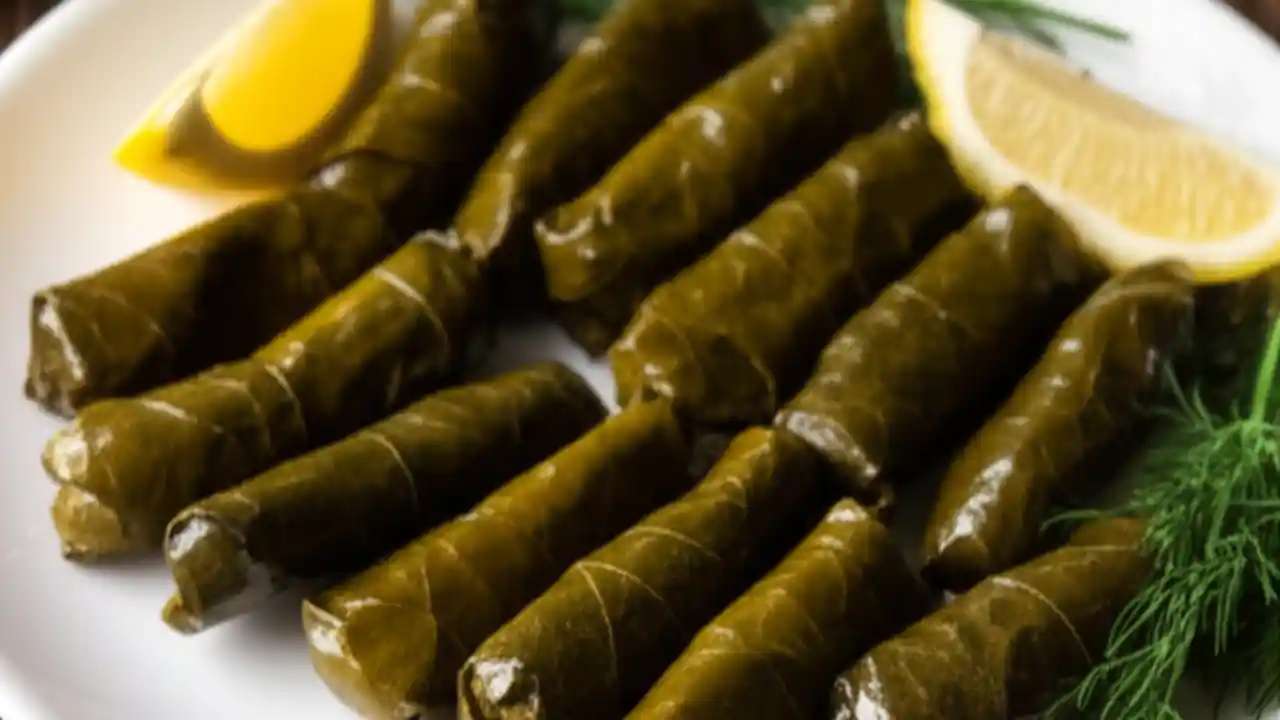
Mastering Dolmades: Your Journey into Greek Stuffed Grape Leaves
There are few dishes that encapsulate the heart and soul of Greek cuisine quite like dolmades. These exquisite little parcels, brimming with aromatic rice and fresh herbs, are more than just food; they are a celebration of tradition, family, and the simple joy of sharing. Whether you know them as dolmathes, dolmaki, or simply "stuffed grape leaves," these culinary treasures hold a special place on any Greek table, often served as a cherished Authentic Dolmades: The Traditional Greek Meze Recipe.
For many, the mention of dolmades conjures images of bustling family kitchens, grandmothers deftly rolling vine leaves, and the irresistible scent of lemon and dill wafting through the air. They are a staple of the Greek meze tradition – an assortment of small dishes that precede a meal or, quite often, become the meal itself. From savory meatballs (keftedes) to flaky cheese pies (tyropitakia) and vibrant dips, the meze spread is a testament to Greek hospitality. But among these delightful offerings, dolmades stand out, a testament to both patience and culinary artistry.
The Heart of the Dish: Crafting the Perfect Filling
The magic of dolmades truly begins with their filling. While some variations feature ground meat, the classic vegetarian version, beloved for its bright and refreshing profile, focuses on a harmonious blend of rice, herbs, and savory aromatics. To create this foundational mixture, you'll start by sautéing finely diced onions and the often-overlooked secret ingredient, fennel, in a generous glug of olive oil. This initial step, carried out over medium heat for about 10 minutes, allows the vegetables to soften and release their sweet, anise-like flavors, forming a fragrant base. A delicate touch of lemon zest added at this stage will infuse the entire mixture with a bright, citrusy perfume.
Next, toasted pine nuts are introduced, lending a subtle crunch and nutty depth, followed by the star carbohydrate: rice. Typically, short-grain or medium-grain rice is preferred for dolmades as it absorbs liquids beautifully and develops a tender, plump texture. The rice is sautéed briefly with the nuts and aromatics, ensuring each grain is coated in the flavorful oil. Then, a small amount of chicken or vegetable stock is added, just enough to par-boil the rice until it's al dente, absorbing the liquid and becoming partially cooked. This critical step ensures the rice expands perfectly during the final simmer without bursting the delicate grape leaf parcels. Once the mixture has cooled slightly, it’s generously folded with an abundance of fresh dill and parsley, seasoned simply with salt and pepper. These herbs are non-negotiable, providing the quintessential Greek flavor profile that elevates the dish from good to unforgettable.
Preparing the Canvas: Handling Grape Leaves Like a Pro
The grape leaves themselves are just as crucial as the filling. Fresh vine leaves, picked young and tender, offer the best texture and flavor. However, for most home cooks, jarred or brined grape leaves are a convenient and excellent alternative. Regardless of your source, preparation is key. If using brined leaves, they should be rinsed thoroughly to remove excess salt. Then, for both fresh and brined, blanching is essential. Bring a large pot of water to a gentle simmer and immerse the leaves for about 5 minutes, or until they become pliable and soft enough to handle without tearing. This process not only tenderizes them but also makes them easier to roll. After blanching, drain them well, gently pat them dry with paper towels, and carefully trim any tough stems or thick veins that might impede rolling or create an unpleasant texture.
When selecting grape leaves, aim for medium-sized leaves that are free from significant tears or blemishes. Uniformity in size will help create more consistently shaped dolmades, though don't worry too much about perfection – part of the charm of homemade dolmades is their unique character, much like the cherished, imperfectly wrapped parcels enjoyed by children learning the craft in a Greek kitchen.
The Art of the Roll: Assembling Your Dolmades
Assembling dolmades is arguably the most meditative and satisfying part of the process. It's a skill that improves with practice, but the basic technique is straightforward. Lay a single grape leaf on a clean work surface, with the shiny side facing down – this ensures the duller, slightly rougher side is on the inside, allowing the rice filling to cling better, and the finished dolmades present beautifully. Place about two tablespoons of the cooled rice filling near the stem end of the leaf, forming a neat, horizontal mound. The amount of filling can vary slightly depending on the size of your grape leaf; you want enough to make a substantial roll without overstuffing it.
Now, the rolling technique:
- First, fold the stem end of the leaf up and over the filling.
- Next, fold both sides of the leaf towards the middle, creating a neat envelope shape.
- Finally, starting from the folded stem end, carefully roll the leaf upwards, away from you, towards the tip.
The Gentle Simmer: Cooking Dolmades to Perfection
Once all your dolmades are meticulously rolled, it’s time for the final stage: cooking. This process gently coaxes the rice to its perfect tenderness and infuses the entire dish with deep flavor. Arrange the dolmades snugly in a single layer in a large Dutch oven or a wide, deep skillet, ensuring the seam-side is facing down. This prevents them from unrolling during the simmer. If you have more dolmades than can fit in a single layer, you can stack them, but try to keep them as uniform as possible.
To the pot, add the remaining chicken or vegetable broth, a generous drizzle of olive oil, and a good squeeze of fresh lemon juice. The liquid should reach approximately halfway up the dolmades. If it doesn't, add a little extra water to achieve the right level. This ensures they cook evenly without becoming waterlogged. Crucially, the pot should then be covered tightly. Some cooks even place a heat-proof plate directly on top of the dolmades inside the pot before covering, to keep them submerged and prevent them from floating and unravelling. Simmer over very low heat for 30 to 40 minutes, or until the dolmades are wonderfully tender when pierced with a fork and the rice is fully cooked. This slow, gentle cook allows the flavors to meld beautifully, creating a dish that is both comforting and vibrant.
For more detailed insights into perfecting your technique, explore Crafting Perfect Dolmades: Rice and Herb Filled Grape Leaves.
Serving Dolmades: A Versatile Greek Delight
One of the beauties of dolmades is their versatility in serving. They are equally delightful whether served warm, at room temperature, or even chilled straight from the refrigerator. As a classic meze, they are often presented simply with extra wedges of fresh lemon, allowing guests to squeeze a burst of citrus over each bite. The bright acidity of the lemon cuts through the richness of the olive oil and complements the earthy herbs perfectly.
Beyond lemon, dolmades pair wonderfully with a dollop of creamy tzatziki sauce, its cool cucumber and garlic notes providing a refreshing contrast. A simple Greek yogurt, perhaps seasoned with a little salt and a drizzle of olive oil, also makes an excellent accompaniment. While they shine as an appetizer, dolmades are substantial enough to form a light lunch or even a side dish for a larger meal, perhaps alongside grilled fish or roasted vegetables. Their delicate flavor profile means they rarely clash with other dishes, making them a welcome addition to almost any spread.
Conclusion: The Enduring Appeal of Dolmades
Mastering dolmades is a culinary journey that connects you deeply with the heart of Greek culture and cuisine. From the careful selection of fresh ingredients to the meditative process of rolling and the gentle simmer that brings all the flavors to life, each step is a labor of love. These Greek stuffed grape leaves are more than just a dish; they are a symbol of hospitality, tradition, and the simple, profound pleasure of homemade food shared with loved ones. So, gather your ingredients, embrace the process, and prepare to delight your senses with these truly iconic and utterly irresistible parcels of Greek culinary heritage.
